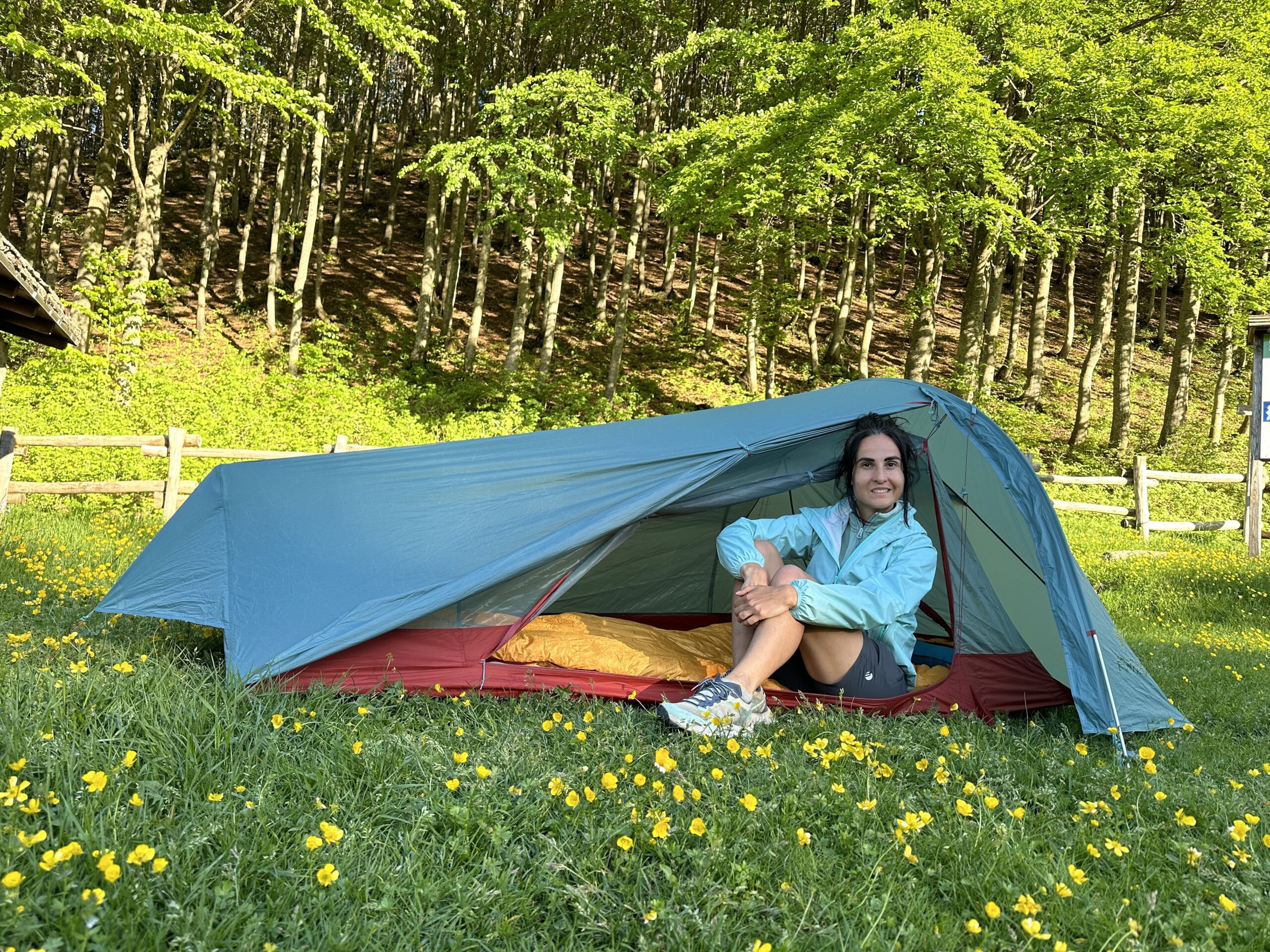
Wild Camping in Italy: Region-by-Region Rules, Bivouacking and Legal Alternatives
Wild camping in Italy sounds like the perfect outdoor experience: a lightweight tent, a quiet mountain view and a night far from busy campsites.
The reality is more complicated.
Italy does not have one simple national rule that allows or prohibits wild camping everywhere. The rules are shaped by regional laws, provincial regulations, municipal bylaws, national and regional park authorities, nature reserves and landowners.
A tent that may be tolerated in one mountain area could result in a fine a few kilometres away.
This guide explains the main wild camping rules in every Italian region, the difference between camping and bivouacking, where you should never pitch a tent and which legal alternatives are available.
Is wild camping legal in Italy?
In general, you should not assume that wild camping is legal in Italy.
Many regions prohibit staying overnight in a tent outside authorised campsites or designated areas. Some territories make limited exceptions for temporary bivouacking, especially in remote mountain areas and along recognised hiking routes.
However, a one-night stay is not automatically legal simply because you call it a bivouac.
The final decision may depend on:
- the regional law;
- the municipality;
- whether the land is privately owned;
- the regulations of a national or regional park;
- Natura 2000 conservation rules;
- seasonal fire-risk restrictions;
- local signs and temporary ordinances.
The safest rule is simple: unless the relevant authority explicitly permits camping or bivouacking, do not pitch your tent.
Wild camping vs bivouacking in Italy
Understanding the difference between wild camping and bivouacking is essential.
Wild camping
Wild camping usually refers to setting up a tent or temporary camp outside an official campsite for recreational purposes. It may include staying in the same place for several nights, cooking, leaving equipment outside and treating the site as a temporary base.
This is the activity most likely to be prohibited.
Bivouacking
A bivouac is generally understood as a short overnight stop connected to hiking or mountaineering.
It normally involves:
- arriving late in the day;
- pitching a small tent around sunset;
- staying for one night;
- leaving around sunrise;
- creating no permanent camp;
- leaving no waste or visible trace.
Some Italian parks and mountain areas permit this form of overnight stay under specific conditions. Others prohibit it completely.
For example, certain protected areas in the Tuscan-Emilian Apennines permit tents only from sunset to sunrise and only within particular zones. This is a local exception, not a nationwide right.
Wild camping in Italy: region-by-region rules
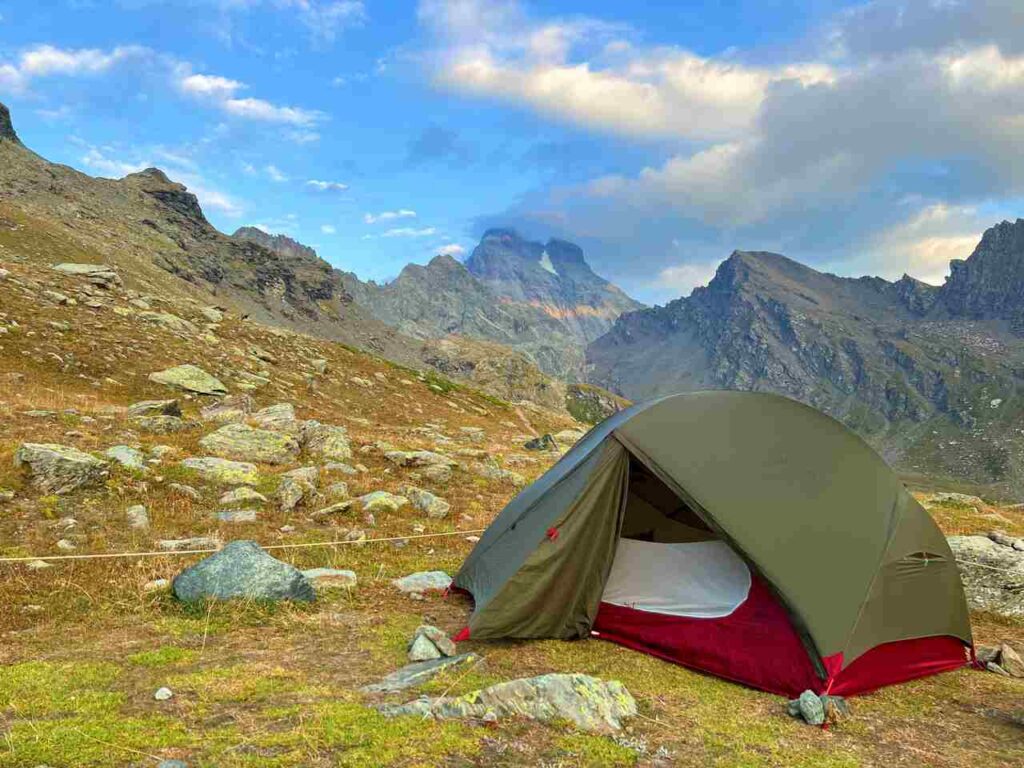
Valle d’Aosta
Valle d’Aosta has an extensive high-altitude environment, but this does not mean tents are automatically permitted.
Camping is generally expected to take place in official campsites or authorised areas. Rules may differ between municipalities and protected zones, while emergency mountaineering bivouacs are treated differently from planned recreational camping.
Inside Gran Paradiso National Park and other protected environments, you must consult the specific park regulations before stopping overnight.
Practical advice: use campsites, mountain huts or fixed bivouac shelters unless the municipality or park confirms that a one-night tent bivouac is allowed.
Piedmont
Piedmont regulates campsites and temporary or mobile camps through regional tourism legislation. Temporary camps normally require an authorised structure, organised activity or approved area rather than an individual choosing an unrestricted location.
Some individual park regulations allow tightly controlled overnight tent stops. One Piedmont protected-area regulation, for example, permits a tent only from two hours before sunset until three hours after sunrise outside authorised campsites. This should not be interpreted as a rule for the whole region.
Practical advice: check the exact park or municipality. Do not assume that remote Alpine terrain is open to camping.
Liguria
In Ligurian protected areas, free camping and free bivouacking can be subject to fines unless specifically permitted by a park regulation or another legal provision. Regional legislation provides sanctions of between €50 and €500 for unauthorised free camping or bivouacking in the areas covered by those rules.
The narrow coastline, high summer fire risk and large number of protected areas make informal camping particularly problematic.
Practical advice: use official campsites, authorised trekking areas or accommodation along long-distance routes such as the Alta Via dei Monti Liguri.
Lombardy
There is no blanket permission to camp freely throughout Lombardy.
Rules depend heavily on the individual protected area. Many regional park and reserve regulations ban camping while making a limited exception for a genuine alpine bivouac. Other areas only permit tents in locations specifically identified by the managing authority.
Practical advice: contact the relevant park authority, particularly in popular areas around Lake Como, Val Masino, the Orobie Alps and Stelvio National Park.
Trentino
Trentino has one of Italy’s clearer general restrictions.
Provincial legislation prohibits camping in tents or mobile accommodation outside authorised outdoor accommodation facilities and designated spaces.
A genuine emergency bivouac in the mountains is different from planning a recreational overnight camp. Mountain huts and official bivouac shelters are widely available and are usually the safest legal choice.
Practical advice: do not plan to pitch freely in the Dolomites or other mountain areas without explicit permission.
South Tyrol
Wild camping is generally prohibited in South Tyrol outside official camping facilities.
In natural parks, sleeping in tents is normally forbidden. An unforeseen or genuine emergency alpine bivouac may be treated differently, but it should not be used as a way to plan a normal camping trip.
Practical advice: book a campsite, mountain hut or authorised accommodation. High altitude does not create an automatic exception.
Veneto
Veneto generally channels camping towards authorised campsites and recognised outdoor accommodation areas.
Municipalities and park authorities may impose additional restrictions, especially in the Dolomites, around lakes, on beaches and inside protected environments.
In mountain areas, an emergency bivouac may be treated differently from intentional camping, but local confirmation is still necessary.
Practical advice: check the municipality and the managing authority of the relevant park, nature reserve or UNESCO area.
Friuli Venezia Giulia
Free camping should not be assumed to be legal in Friuli Venezia Giulia.
The region contains protected Alpine environments, forests, border areas and zones with their own management rules. Municipalities and park authorities may permit temporary bivouacking only under defined conditions or in designated places.
Practical advice: use alpine huts, fixed bivouacs, authorised campsites or ask the municipality responsible for the location.
Emilia-Romagna
Emilia-Romagna has a general regional prohibition on staying overnight in tents or other mobile accommodation outside authorised facilities and listed exceptions. A single temporary unit may be allowed on private land near a building with sanitary facilities, with the owner’s consent and without payment.
The region has also introduced the possibility for municipalities along recognised walking and cycling routes to create temporary tent areas. These must be officially identified and may require additional approval inside protected areas.
Some sections of the Alta Via dei Parchi have specific local rules allowing a night bivouac from sunset to sunrise, while other sections require prior authorisation or only allow tents in designated places.
Practical advice: use the official stage-by-stage information rather than applying one rule to the entire route.
Tuscany
Wild camping is generally not something you should treat as freely permitted across Tuscany.
Regulations may be set by municipalities, parks, reserves and forestry authorities. This is especially relevant along the coast, in nature reserves and on popular long-distance trails.
Some routes have official campsites, agriturismi, pilgrim accommodation or authorised private areas.
Practical advice: obtain permission from the landowner and confirm with the municipality, particularly along the Via Francigena and in protected mountain areas.
Umbria
There is no general right to pitch a tent anywhere in Umbria.
Camping is normally directed towards authorised sites, agriturismi and designated outdoor areas. Regional parks and municipalities can prohibit overnight stays or restrict them to approved locations.
Practical advice: ask the municipality or park authority and consider agriturismo camping, which is common in rural central Italy.
Marche
Wild camping in Le Marche is generally restricted outside authorised areas.
Extra caution is necessary in the Sibillini Mountains, along the Conero coast and inside regional parks and protected coastal environments.
A private landowner’s permission may not be enough when environmental or municipal rules prohibit camping.
Practical advice: look for official campsites, agricamping facilities and accommodation serving recognised hiking routes.
Lazio
You should not assume that wild camping is allowed in Lazio.
Municipalities, parks and nature reserves can prohibit tents outside designated areas. Restrictions are particularly likely in coastal areas, around lakes, in forests and inside protected environments.
Practical advice: contact the park authority or municipality before planning an overnight stay in places such as the Simbruini Mountains, Monti Lucretili or the protected coastal areas.
Abruzzo
Abruzzo’s mountains may look ideal for wild camping, but much of the most attractive landscape lies inside national or regional parks.
Gran Sasso and Monti della Laga National Park, Maiella National Park and Abruzzo, Lazio and Molise National Park each have their own rules. Camping may be limited to designated areas, while a temporary bivouac may only be accepted under specific conditions.
Wildlife protection is a major issue, particularly in habitats used by bears, wolves and sensitive bird species.
Practical advice: always consult the individual park before carrying a tent.
Molise
Molise has fewer visitors than many Italian regions, but low visitor numbers do not mean camping is unrestricted.
The general approach is to use authorised campsites, managed areas or private land where both the owner and relevant local regulations permit the stay.
Part of Abruzzo, Lazio and Molise National Park lies within the region and follows the park’s own conservation rules.
Practical advice: check with the municipality and any protected-area authority responsible for your planned location.
Campania
Wild camping is generally restricted in Campania, particularly on beaches, in coastal areas and inside national or regional parks.
The Amalfi Coast, Cilento, Vesuvius and other high-pressure destinations are governed by local and protected-area rules. Municipal ordinances may also change during summer.
Practical advice: use designated campsites, agricamping facilities or organised accommodation along hiking routes.
Puglia
Puglia’s coastline is heavily regulated, especially during the summer.
Camping on beaches, dunes, pine forests and protected coastal land is generally not a safe legal option. Gargano National Park, Alta Murgia National Park and regional reserves have their own regulations.
Fire risk is also a serious consideration in dry woodland and Mediterranean scrub.
Practical advice: use authorised coastal campsites, masserie offering tent pitches or designated camper and camping areas.
Basilicata
Basilicata contains remote mountain and forest areas, but wild camping still requires local verification.
The Pollino and Appennino Lucano national parks have specific conservation rules, while municipalities can impose separate restrictions.
Practical advice: contact the park, use mountain accommodation or stay at an agricamping facility rather than assuming an isolated location is legal.
Calabria
Wild camping in Calabria is generally restricted outside authorised sites, particularly on beaches, in forests and within protected areas.
Pollino, Sila and Aspromonte national parks each regulate access and overnight activity independently. Seasonal wildfire orders may create additional restrictions.
Practical advice: ask the relevant park or municipality and avoid lighting any flame outside an expressly authorised area.
Sicily
Wild camping is generally not permitted as an unrestricted activity throughout Sicily.
Coastal zones, nature reserves, beaches and regional parks often have specific prohibitions. Summer wildfire restrictions are particularly important because of the dry climate.
Some rural businesses and organised trekking routes offer authorised tent stays.
Practical advice: use campsites, agricamping areas or obtain written confirmation from the local authority and landowner.
Sardinia
Sardinia has strict controls on informal camping, particularly along the coast.
Camping on beaches, dunes, forests and other public land is commonly prohibited outside authorised areas. Municipal police and forestry authorities actively enforce restrictions in busy coastal locations.
Local rules may change seasonally, especially during the summer and periods of high fire risk.
Practical advice: use official campsites or recognised private camping areas. Never assume that an empty beach is a legal campsite.
Where wild camping is usually prohibited in Italy
Wild camping in Italy requires more research than simply finding a quiet location on a map.
Rules vary between regions, but they can also change between neighbouring municipalities and individual protected areas. A statement such as “bivouacking is legal in this region” is therefore rarely enough.
Use this guide as a starting point, not as final legal authorisation.
Before pitching your tent:
- identify the exact location;
- check the regional and municipal rules;
- read the park regulations;
- ask the landowner;
- look for temporary fire restrictions;
- obtain written confirmation when possible.
The best outdoor experiences are the ones that respect the place, the people who live there and the rules protecting the landscape.
Final advice
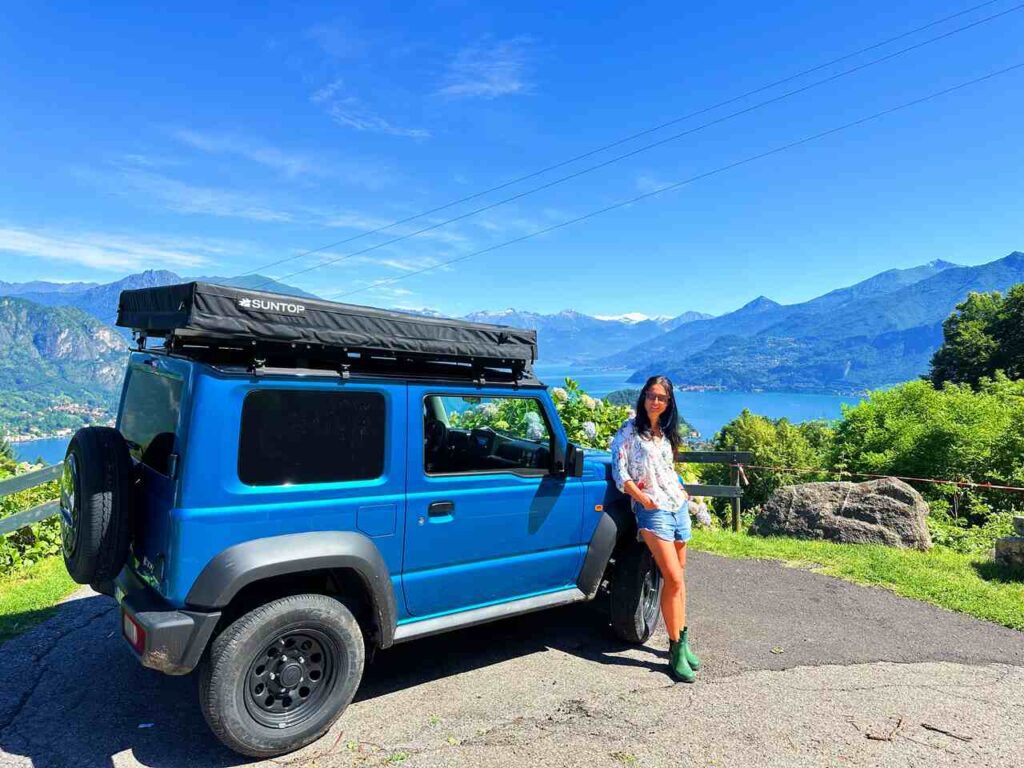
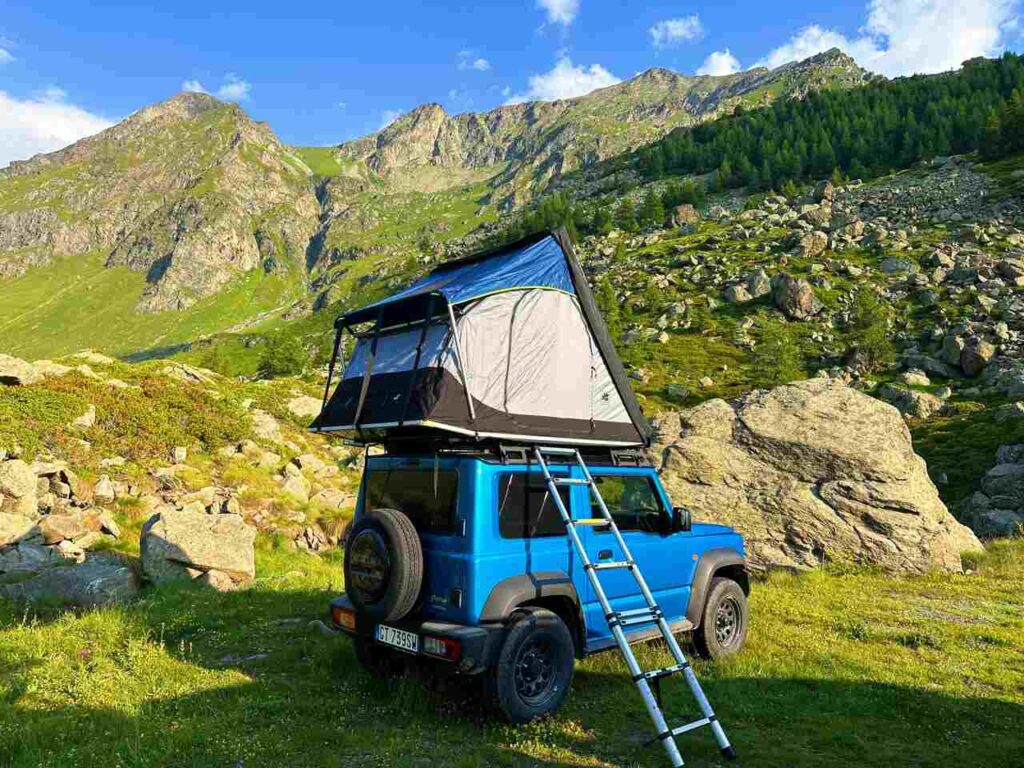
Regardless of the region, you should expect restrictions in the following places:
- national and regional parks;
- nature reserves;
- Natura 2000 sites;
- beaches, dunes and protected coastlines;
- archaeological areas;
- land close to roads or urban areas;
- private land without the owner’s permission;
- farmland and grazing land;
- forests during high fire-risk periods;
- riverbeds and flood-prone areas;
- locations where signs prohibit camping or overnight stays.
Protected-area rules can be stricter than regional tourism laws. In several Italian parks, camping is prohibited while a narrowly defined nocturnal bivouac is permitted only in certain zones.
Do you still have a question?
"Discover Italy Like a Local" Consultation
I always try to write everything I can to give the best possible informations, but if you feel like you need a specific and tailored consultation, feel free to book a one-on-one consultation to address your concerns, answer your questions, and provide support throughout the planning process.❤️